Dining photography:
Tips to make your restaurant food photos look mouthwatering
Use natural light when possible
Shoot near a large window or open door. Soft side light adds texture and depth.
Avoid harsh midday sun; diffuse it with a thin curtain or a white reflector.
Mind the composition
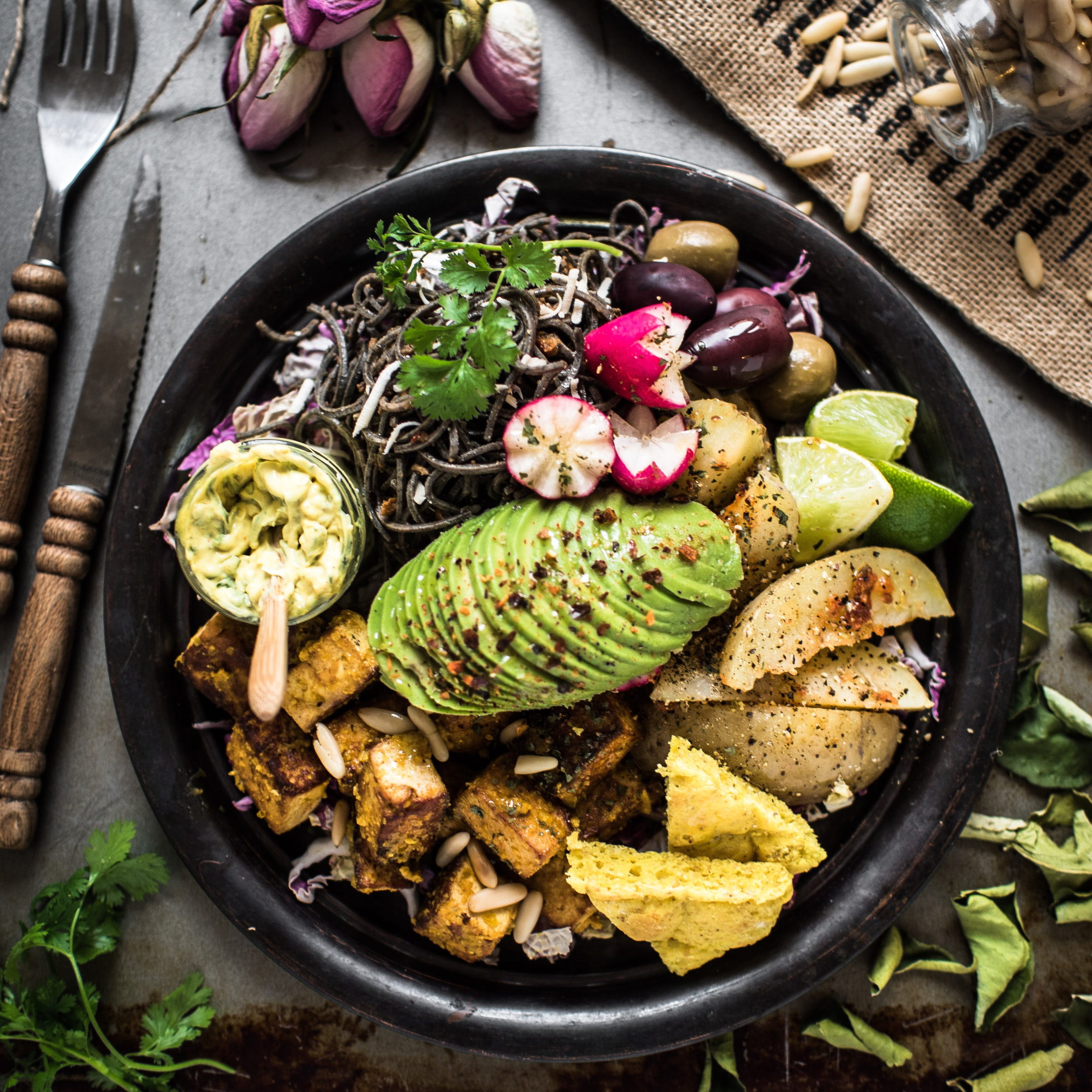
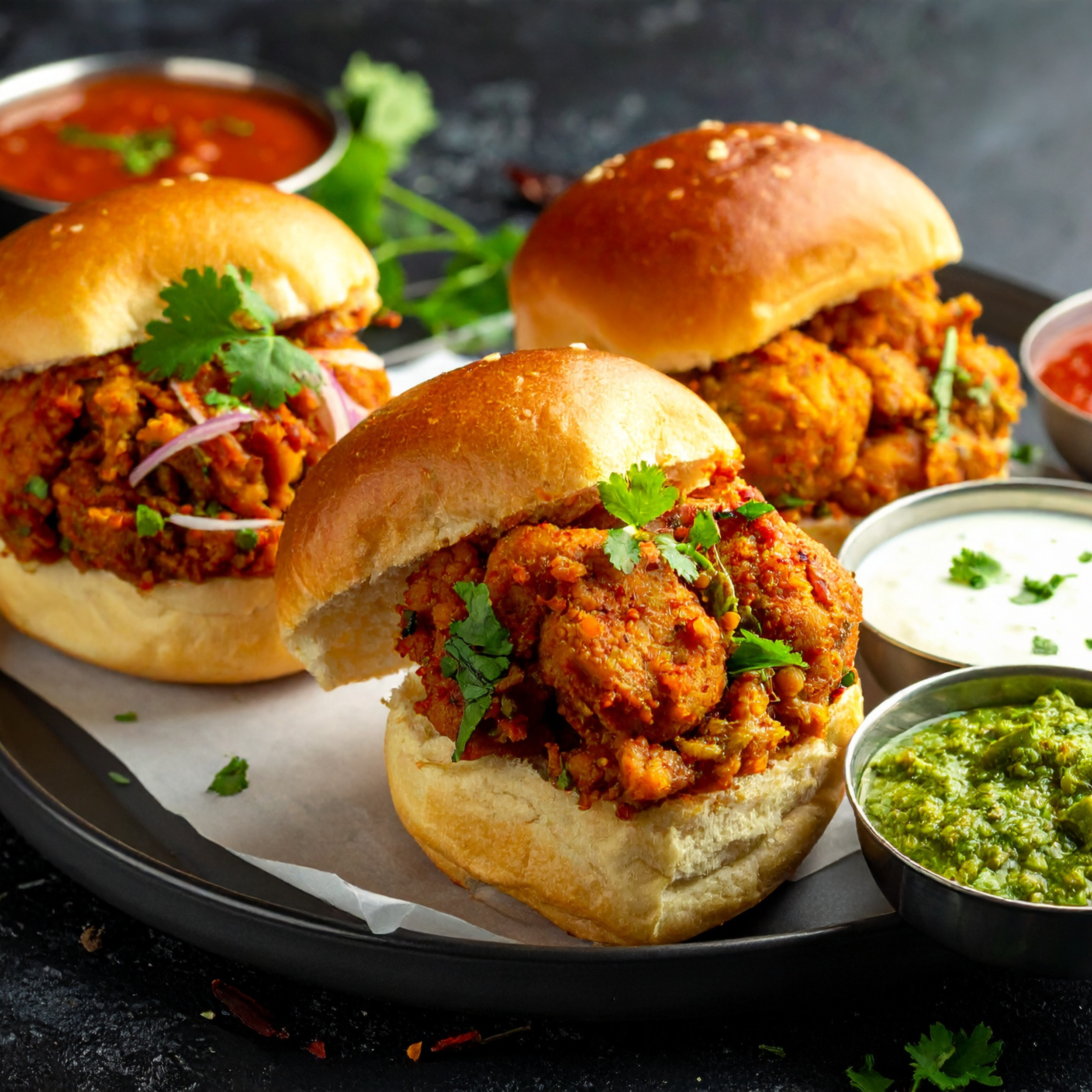
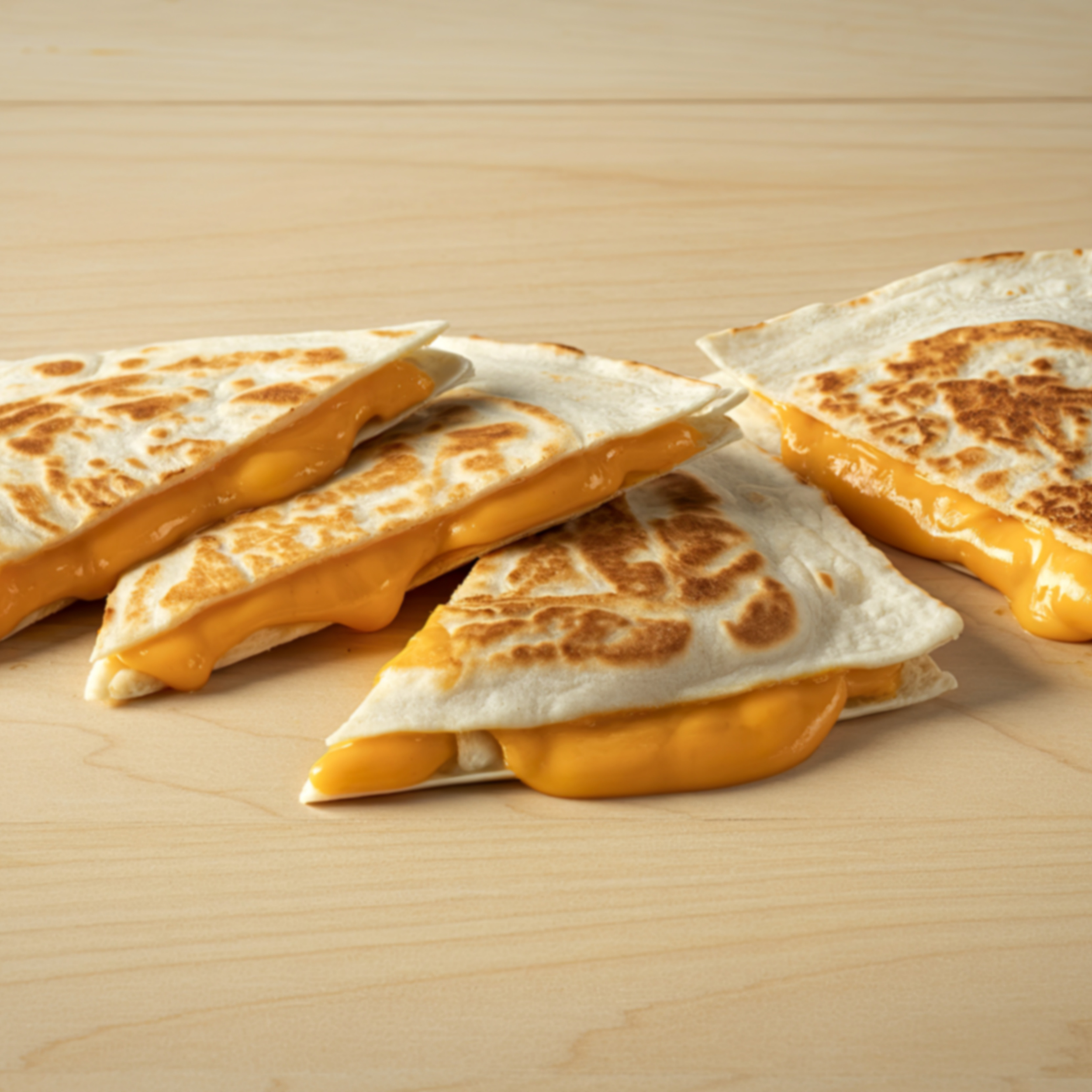
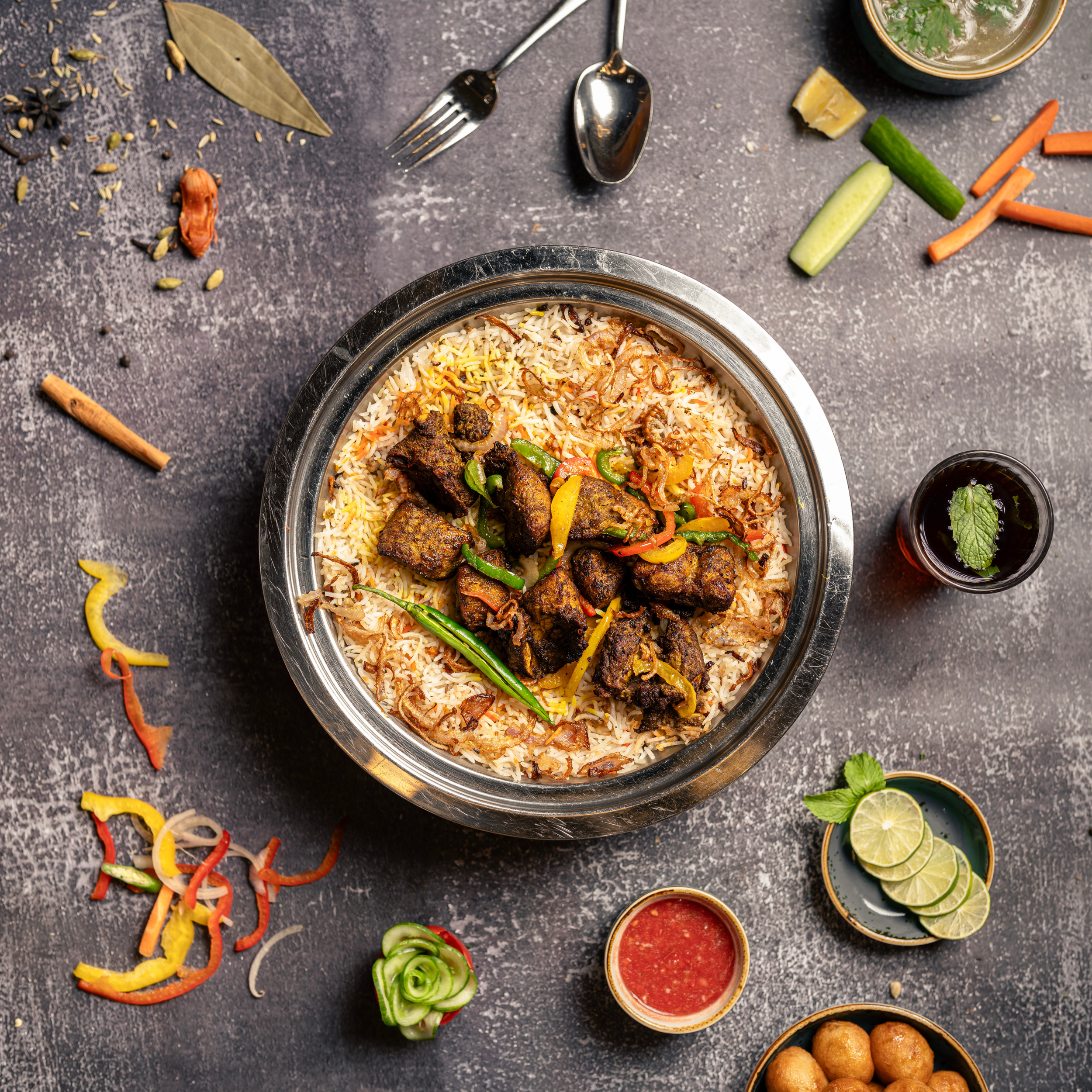
Shoot from three main angles: overhead (for flat lays and table spreads), 45° (for most plated dishes), and eye level (for burgers, stacked items, and drinks).
Keep the focal point off-center using the rule of thirds.
Leave negative space for text or menus if images will be used in ads or social posts.
Style deliberately
Keep props simple and coherent: consistent plates, linens, and cutlery that match your brand.
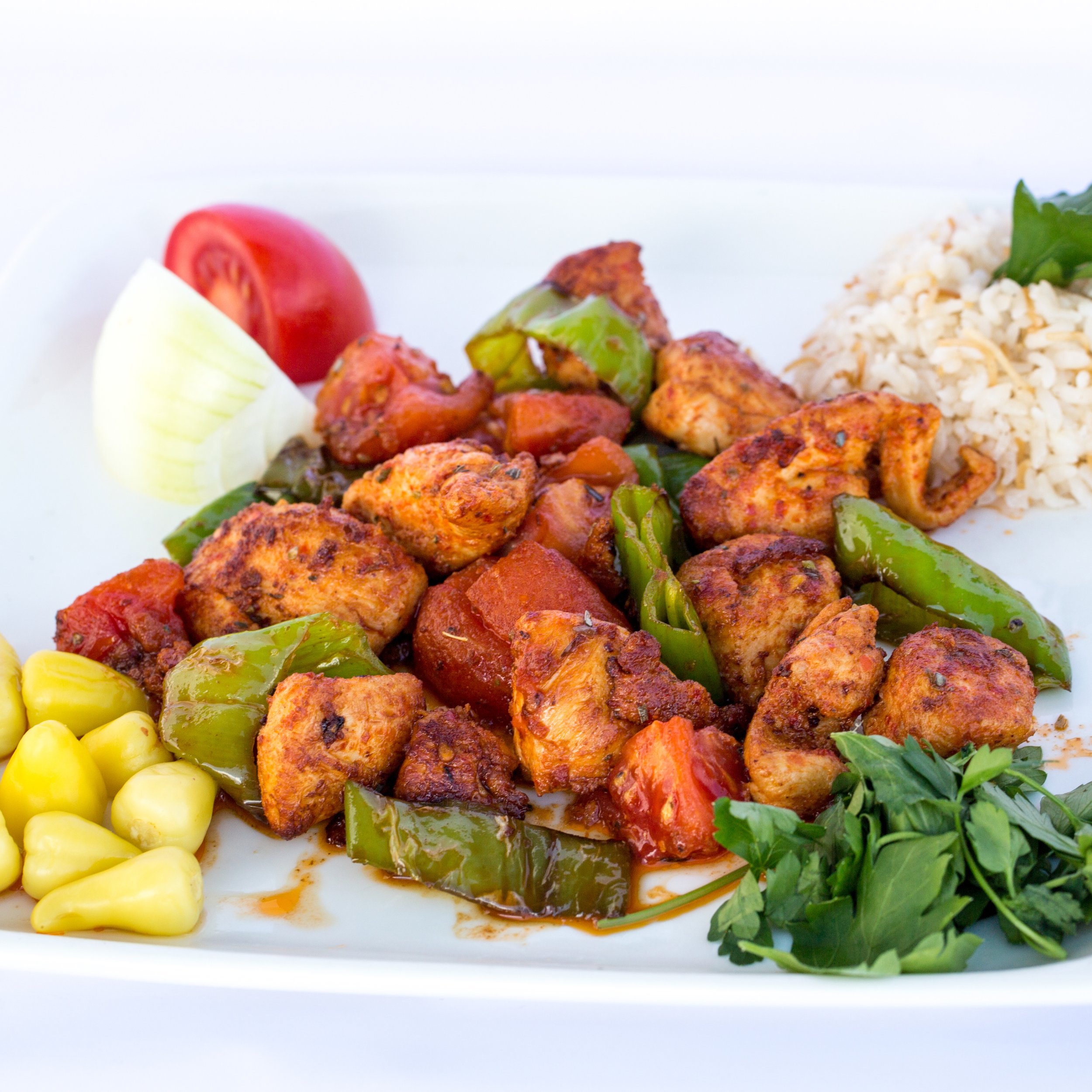
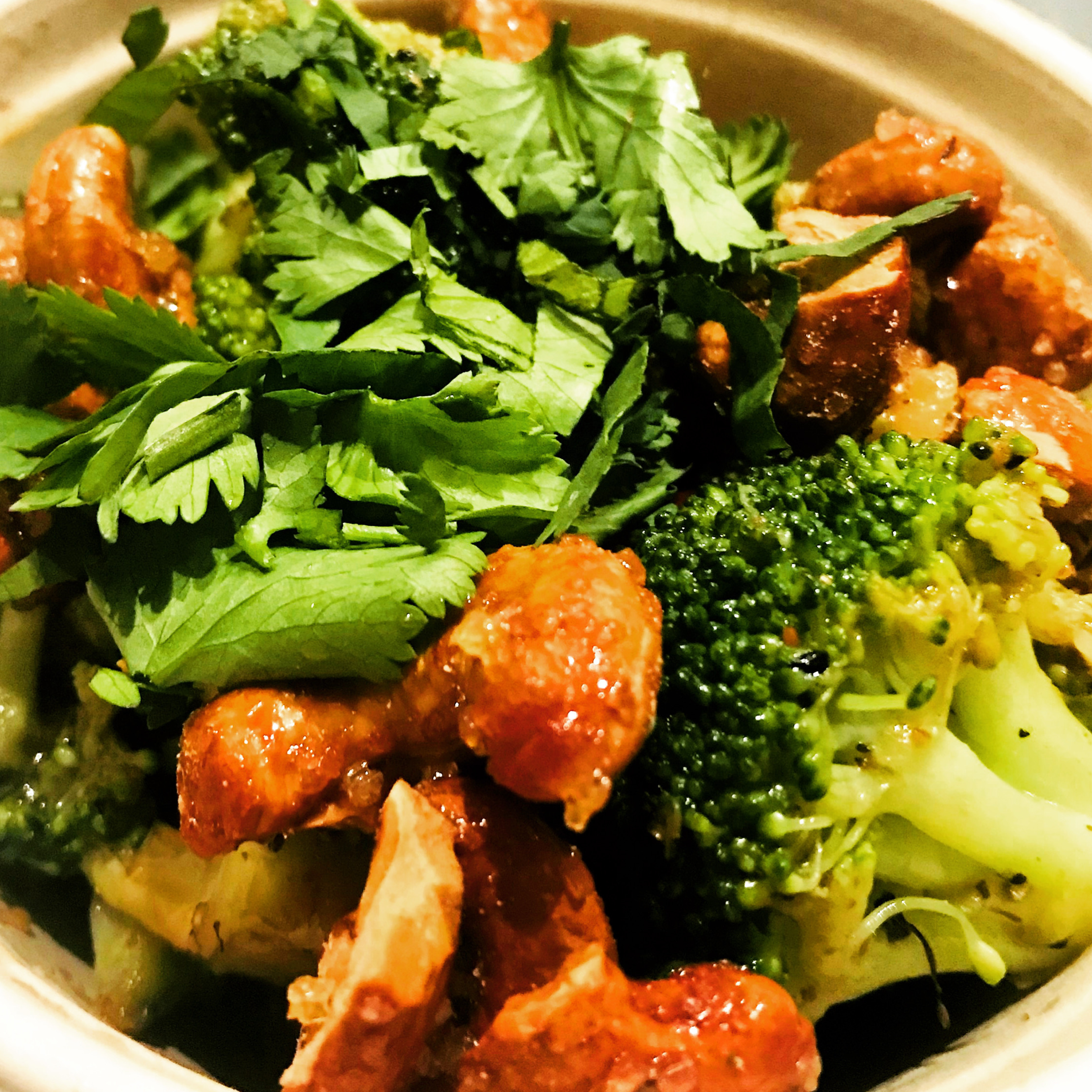
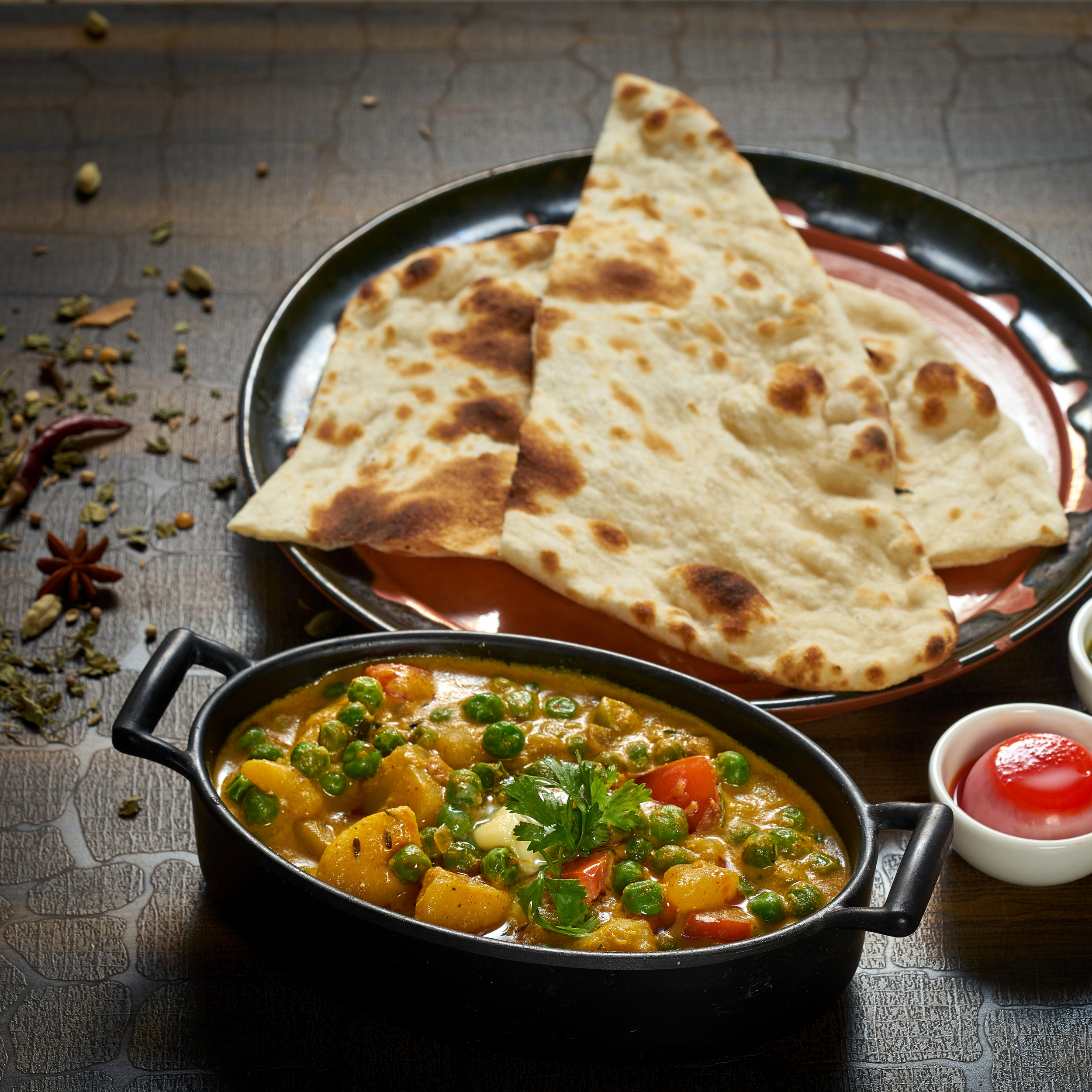
Add garnishes that signal freshness (herbs, microgreens, a sprinkle of salt) but avoid over-cluttering.
Show a human element occasionally: hands reaching, a fork cutting in, pouring sauces — these increase appetite appeal.
Pay attention to color and contrast
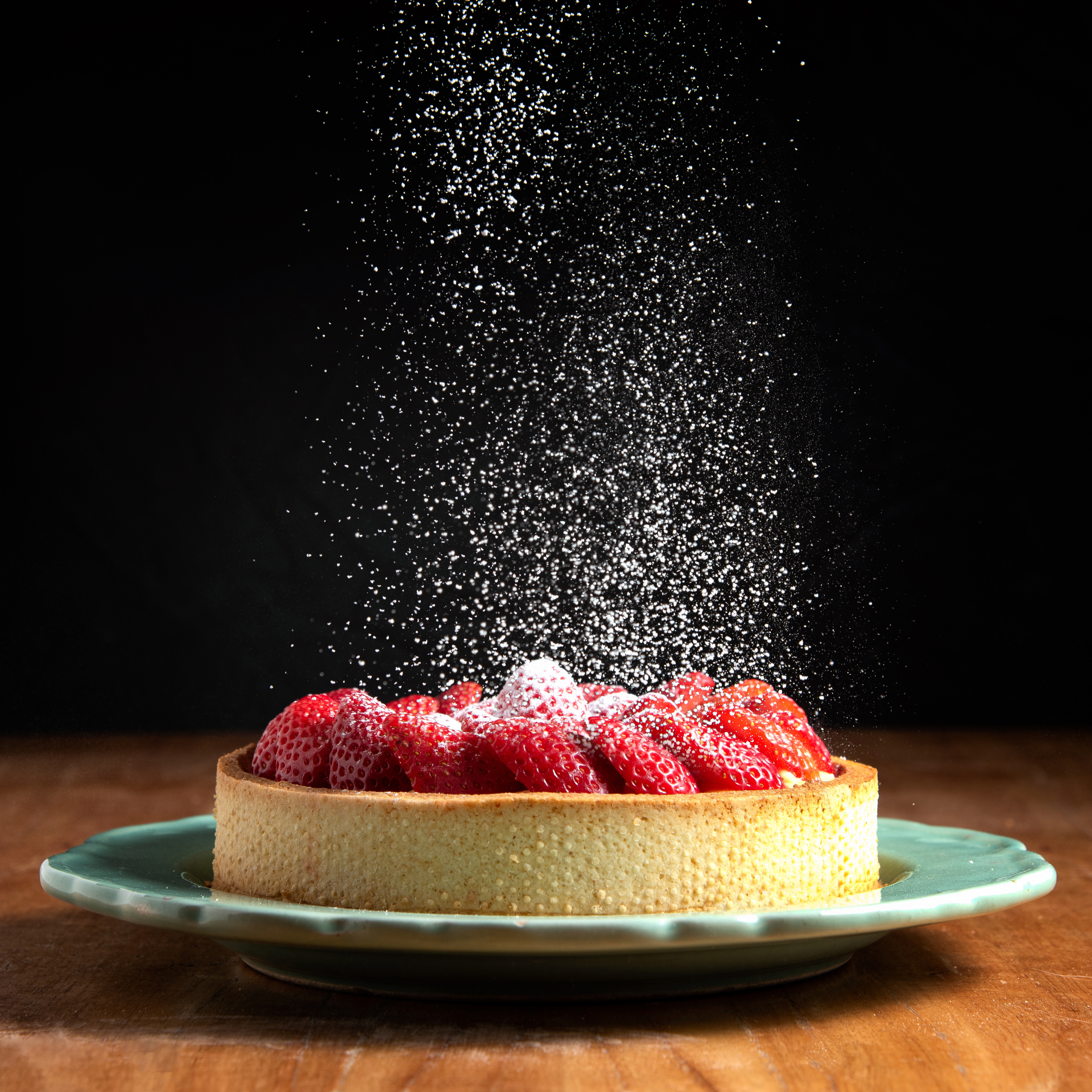
Use complementary backgrounds to make food colors pop (dark wood or slate for bright dishes, light surfaces for darker foods).
Balance warm and cool tones — a warm-toned dish benefits from a cooler backdrop and vice versa.
Focus and depth of field
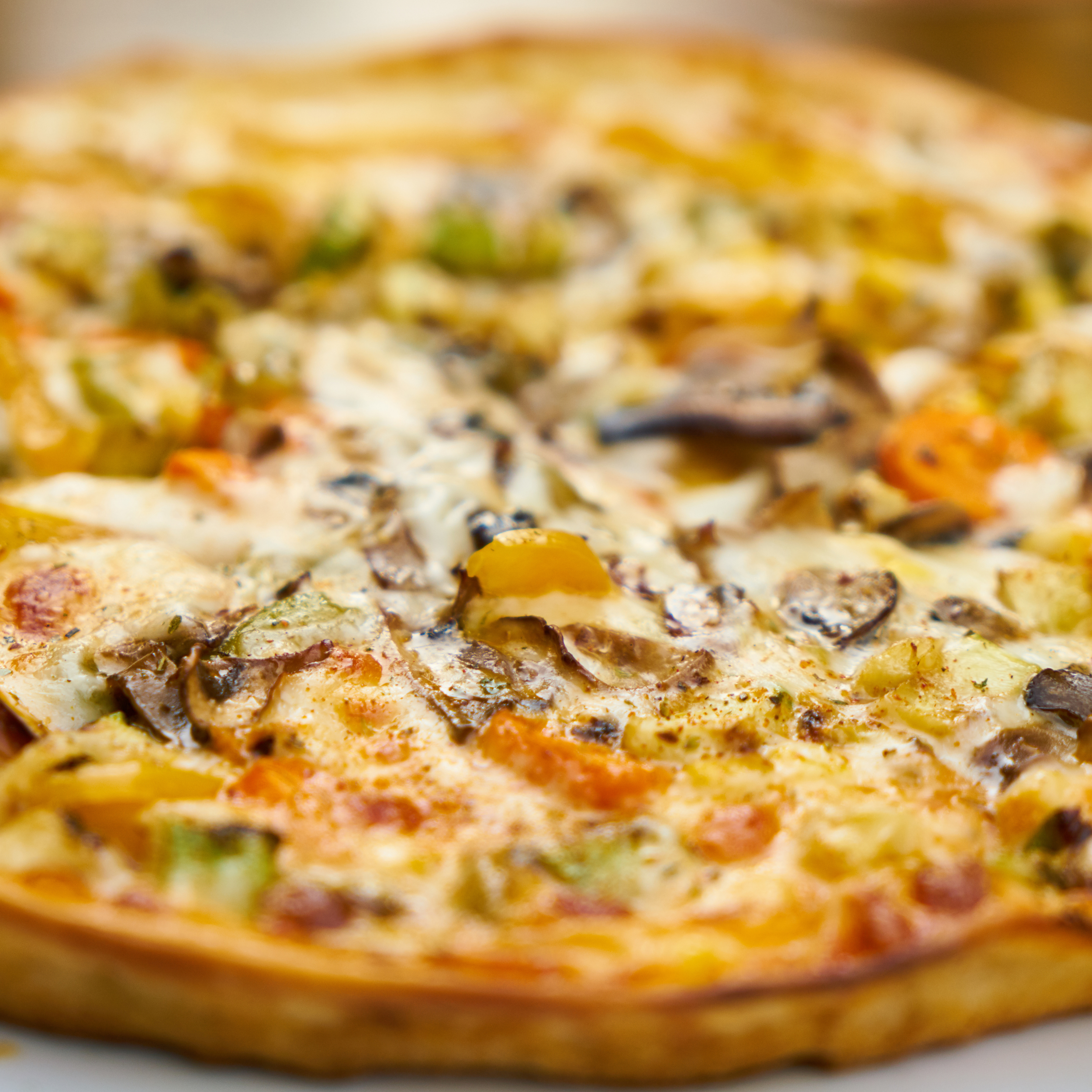
Use shallow depth of field to isolate the dish (wide aperture like f/1.8–f/4) for a creamy background blur.
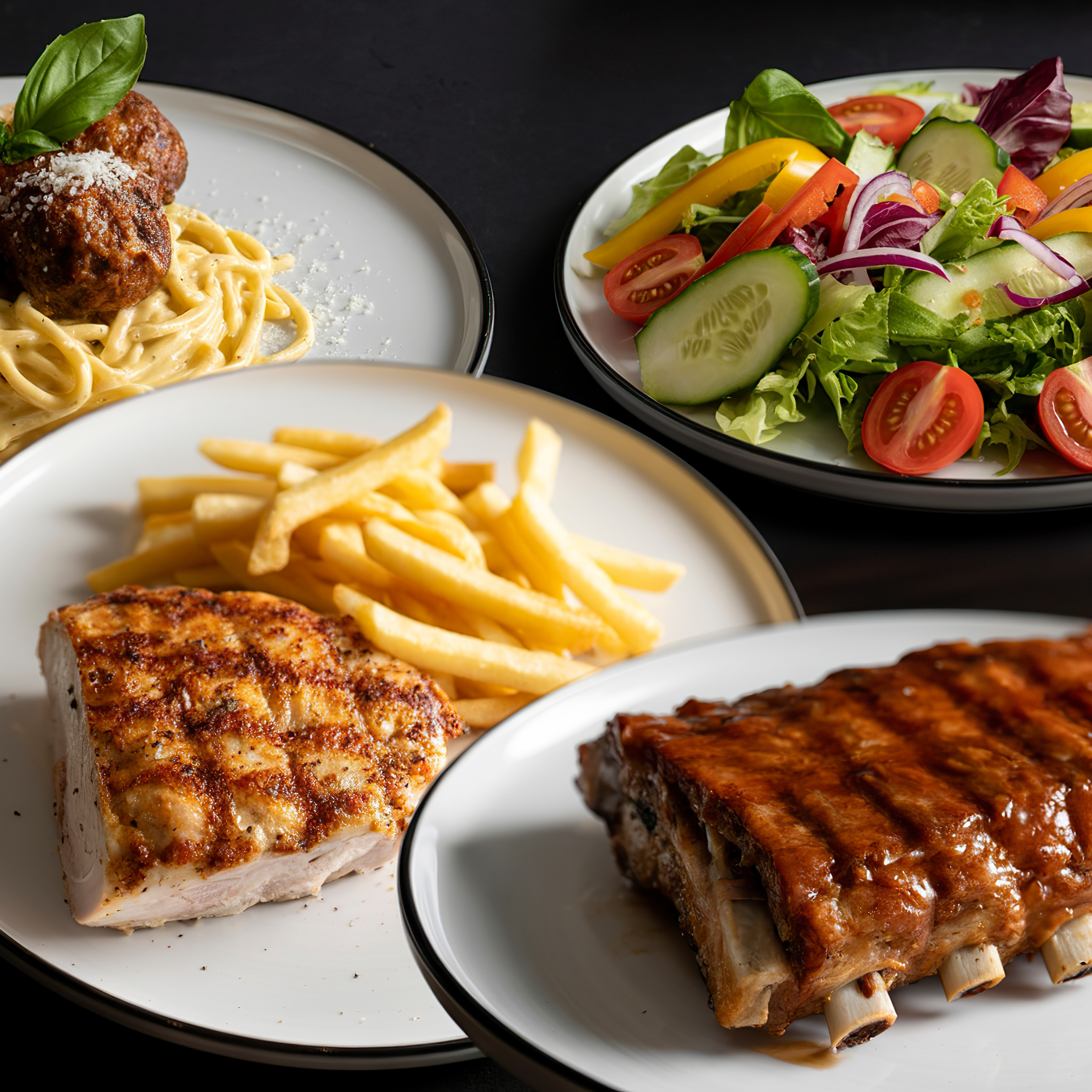
For group shots or platters, increase depth of field (f/5.6–f/11) to keep more items in focus.
Capture texture and steam
Emphasize texture by angling light to create small shadows.
Capture steam or gloss to communicate warmth and freshness — shoot quickly and use a colder environment to make steam visible.
Edit to enhance, not overcook
Adjust exposure, contrast, white balance, and saturation subtly.
Remove distractions but preserve natural textures. Avoid heavy filters that make food look unrealistic.
Plan for use cases
Crop for different platforms: square for Instagram, vertical for Stories/Reels, horizontal for websites.
Shoot extra negative space for overlays and promotion text.
Quick checklist before shooting
Plate is clean and garnished
Lighting consistent across shots
Props match brand aesthetic
Multiple angles captured
High-resolution files backed up
Need help shooting a menu, social content, or a campaign? I can create a shot list and moodboard tailored to your cuisine and brand.
Dining photography:
Tips to make your restaurant food photos look mouthwatering
Use natural light when possible
Shoot near a large window or open door. Soft side light adds texture and depth.
Avoid harsh midday sun; diffuse it with a thin curtain or a white reflector.
Mind the composition
Shoot from three main angles: overhead (for flat lays and table spreads), 45° (for most plated dishes), and eye level (for burgers, stacked items, and drinks).
Keep the focal point off-center using the rule of thirds.
Leave negative space for text or menus if images will be used in ads or social posts.
Style deliberately
Keep props simple and coherent: consistent plates, linens, and cutlery that match your brand.
Add garnishes that signal freshness (herbs, microgreens, a sprinkle of salt) but avoid over-cluttering.
Show a human element occasionally: hands reaching, a fork cutting in, pouring sauces — these increase appetite appeal.
Pay attention to color and contrast
Use complementary backgrounds to make food colors pop (dark wood or slate for bright dishes, light surfaces for darker foods).
Balance warm and cool tones — a warm-toned dish benefits from a cooler backdrop and vice versa.
Focus and depth of field
Use shallow depth of field to isolate the dish (wide aperture like f/1.8–f/4) for a creamy background blur.
For group shots or platters, increase depth of field (f/5.6–f/11) to keep more items in focus.
Capture texture and steam
Emphasize texture by angling light to create small shadows.
Capture steam or gloss to communicate warmth and freshness — shoot quickly and use a colder environment to make steam visible.
Edit to enhance, not overcook
Adjust exposure, contrast, white balance, and saturation subtly.
Remove distractions but preserve natural textures. Avoid heavy filters that make food look unrealistic.
Plan for use cases
Crop for different platforms: square for Instagram, vertical for Stories/Reels, horizontal for websites.
Shoot extra negative space for overlays and promotion text.
Quick checklist before shooting
Plate is clean and garnished
Lighting consistent across shots
Props match brand aesthetic
Multiple angles captured
High-resolution files backed up
Need help shooting a menu, social content, or a campaign? I can create a shot list and moodboard tailored to your cuisine and brand.